Interior vs Exterior Waterproofing Methods Explained
People seeking interior and exterior waterproofing want to prevent water damage and leaks, and local contractors can provide effective solutions tailored to their needs.
Understanding the differences between interior vs exterior waterproofing methods explained can be essential for property owners looking to protect their investments from water damage. Whether dealing with basement leaks, foundation concerns, or moisture issues, knowing which approach suits a specific situation can make a significant difference. Local contractors specializing in waterproofing services can evaluate your property’s unique needs and recommend the most effective solutions, ensuring long-term protection and peace of mind.
Property owners in the area often explore this topic to determine the best way to prevent costly repairs and maintain a healthy indoor environment. Interior waterproofing typically involves treatments inside the building, while exterior methods focus on the outer foundation and walls. Both approaches have their advantages depending on the nature of the problem and the structure’s layout. By understanding these methods, homeowners can make informed decisions and connect with experienced service providers who can implement the right waterproofing solutions tailored to their property’s requirements.
- Interior waterproofing - ideal for addressing basement leaks or moisture issues inside the building, with local contractors applying sealants or membranes within the interior walls.
- Exterior waterproofing - recommended when preventing water intrusion before it reaches the foundation, with service providers excavating and applying barriers on the outside of the structure.
- Interior waterproofing - suitable for existing water problems that require interior drainage systems or sump pumps installed by local pros to manage moisture levels.
- Exterior waterproofing - used for long-term prevention by creating a waterproof barrier on the building’s exterior, often involving excavation and foundation sealing by local contractors.
- Interior waterproofing - often chosen for quick fixes or limited access areas, with local service providers applying coatings or vapor barriers inside the space.
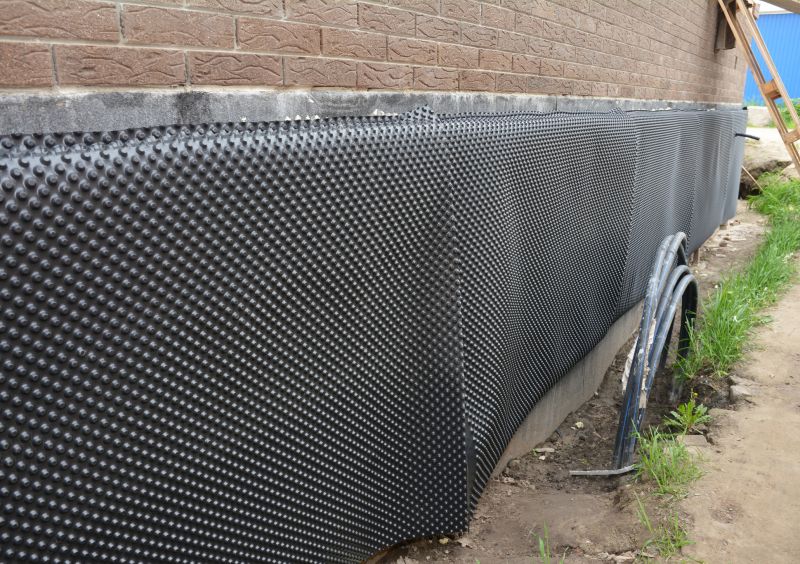
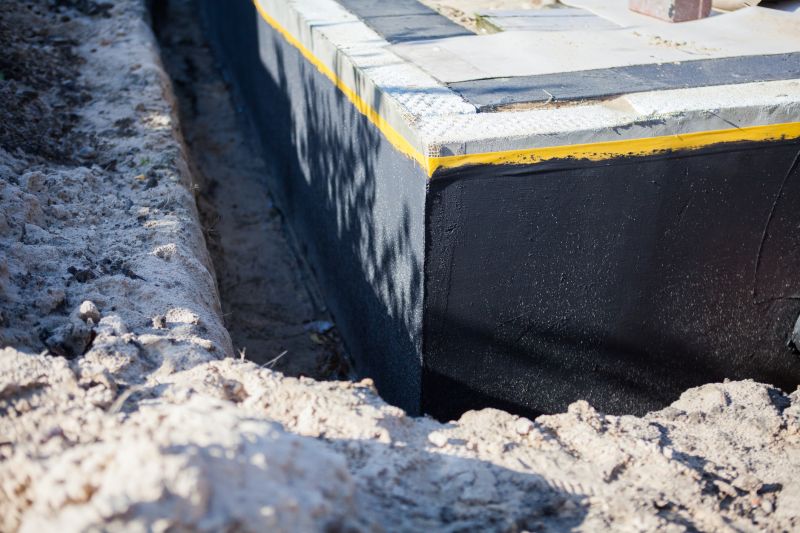
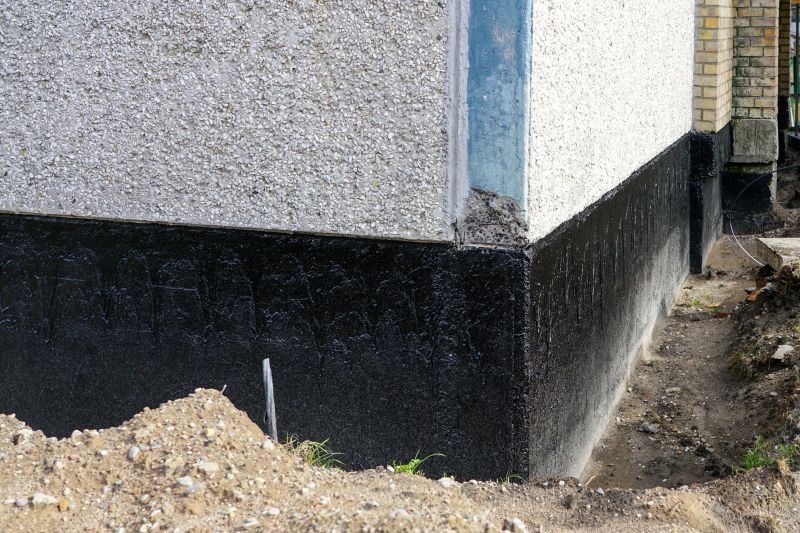
When searching for information about interior vs exterior waterproofing methods explained, homeowners typically want to understand the differences between these two approaches to protecting their properties from water intrusion. This topic often comes up in the context of addressing persistent dampness, basement leaks, or foundation issues that can lead to structural damage or mold growth. People may be planning a renovation, dealing with ongoing water problems, or simply trying to prevent future damage by choosing the most effective waterproofing strategy. The goal is to find solutions that keep basements, crawl spaces, or foundations dry, ensuring a healthier and more stable living environment.
The discussion around interior vs exterior waterproofing methods is closely tied to specific problems or plans related to property maintenance and improvement. For example, homeowners facing basement flooding or visible signs of moisture may consider interior waterproofing as a quicker or more accessible option. Conversely, those with significant foundation vulnerabilities or ongoing water seepage might lean toward exterior waterproofing to create a more comprehensive barrier. Both methods aim to prevent water from entering the property, but they differ in approach, scope, and application. Local contractors specializing in waterproofing can assess the unique conditions of a property and recommend the most suitable method based on the specific issues and long-term goals.
Properties that typically come up in discussions about interior vs exterior waterproofing include residential homes, especially those with basements or below-grade foundations. Older properties with aging foundations or homes built in areas prone to heavy rainfall or flooding may require more extensive waterproofing solutions. Commercial buildings and multi-family residences can also benefit from these methods, particularly when moisture issues threaten structural integrity or occupant health. The choice often depends on the property's construction, existing water problems, and the desired level of protection. Local service providers are experienced in working with a variety of property types and can help determine the most effective waterproofing approach for each situation.
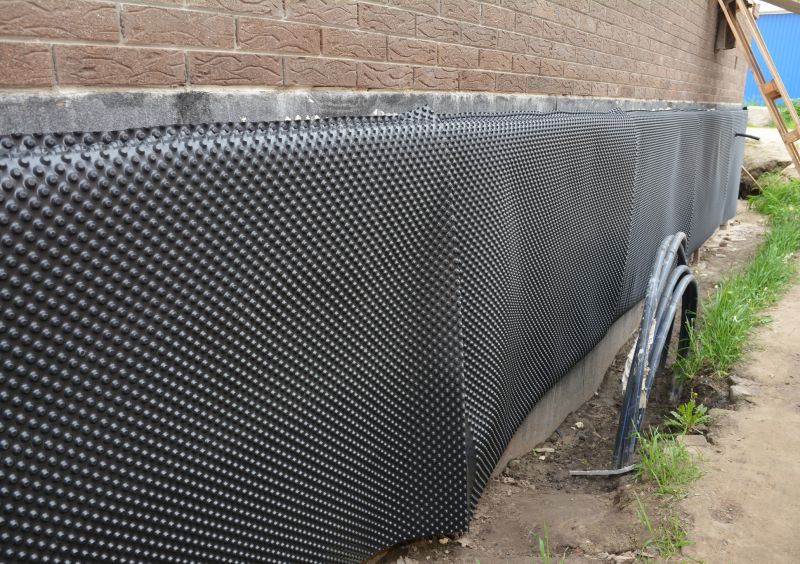
Understanding the differences between interior and exterior waterproofing helps homeowners make informed decisions about protecting their properties. Interior waterproofing typically involves sealing cracks, installing drainage systems, or applying sealants from inside the building to manage existing water issues. Exterior waterproofing, on the other hand, focuses on creating a physical barrier on the outside of the foundation, often involving excavation and drainage board installation to prevent water from reaching the structure. Both methods are essential components of a comprehensive waterproofing plan, and local contractors can evaluate the site to recommend the best combination of solutions. Properly addressing water intrusion ensures the longevity of the property and minimizes the risk of costly repairs in the future.
Basement Waterproofing Projects - These projects often require understanding both interior and exterior waterproofing techniques to prevent water intrusion and mold growth, making them relevant for local contractors skilled in both methods.
Foundation Repair Services - Repairing or reinforcing foundations involves planning and executing waterproofing strategies, with local service providers capable of handling the necessary interior or exterior solutions.
Retaining Wall Installations - Proper waterproofing is essential to prevent water pressure buildup behind retaining walls, and local pros can implement appropriate waterproofing methods for durability.
Driveway and Patio Water Management - Ensuring proper drainage and waterproofing around outdoor surfaces is a key aspect that connects to exterior waterproofing techniques offered by local contractors.
Crawl Space Encapsulation - This process involves sealing and insulating crawl spaces, requiring expertise in interior waterproofing methods to control moisture and humidity levels.
Roofing and Gutter Systems - Properly installed roofing and gutter systems are critical for exterior waterproofing, and local service providers can ensure these systems work effectively to protect structures.
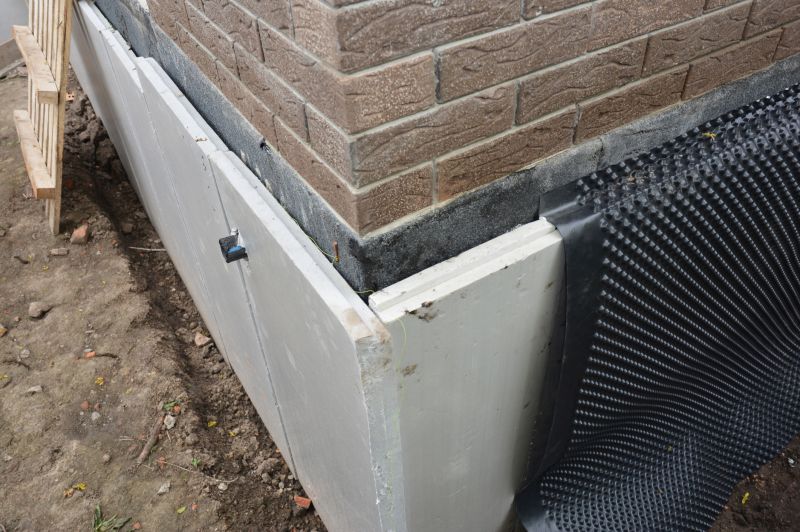
When evaluating local contractors for interior vs exterior waterproofing services, it’s important to consider their experience with similar projects. Homeowners should inquire about the types of waterproofing methods the service providers have handled in the past, ensuring they have a solid understanding of both interior and exterior approaches. Contractors with a proven track record in projects comparable to the home’s specific needs can often provide insights into what techniques work best and what challenges might arise. This experience can help ensure that the chosen waterproofing method is suitable for the particular foundation and environmental conditions, leading to more effective and lasting results.
Clear, written expectations are essential when comparing local service providers for waterproofing work. Homeowners should seek detailed proposals that outline the scope of work, materials to be used, and the steps involved in both interior and exterior waterproofing methods. Having this information in writing helps prevent misunderstandings and ensures that everyone is aligned on project goals. It also provides a basis for comparing different contractors’ approaches and professionalism. Good communication from the outset can lead to smoother project execution and greater confidence that the chosen contractor understands the homeowner’s needs and expectations.
Reputable references and strong communication skills are key factors when selecting local pros for waterproofing services. Homeowners should ask for references from previous clients who had similar work done and inquire about their experiences. Reliable contractors are often transparent about their work history and willing to share contact information for past projects. Additionally, effective communication throughout the process-such as responsiveness, clarity in explanations, and openness to questions-can greatly influence the overall experience. Choosing service providers who prioritize clear, ongoing communication and have positive references can help ensure the waterproofing project is completed successfully and to satisfaction.
Property owners often search for interior vs exterior waterproofing methods explained when they are planning practical projects around their homes and businesses. Local pros provide Interior and Exterior Waterproofing services for everyday jobs and straightforward project options.
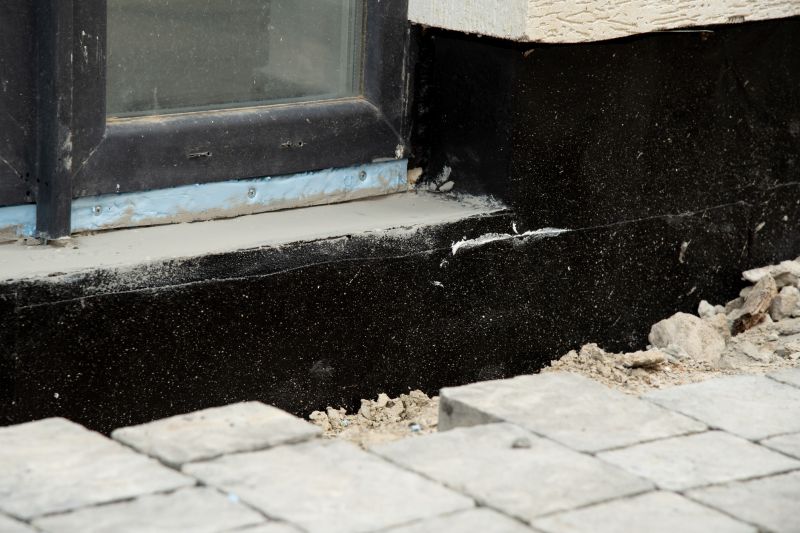
Understanding the differences between interior vs exterior waterproofing methods explained can help property owners make informed decisions when addressing moisture issues or preparing for new construction projects. Homeowners and property owners in the area often seek this information to determine the most effective way to protect their buildings from water damage, especially in regions prone to heavy rainfall or humidity. Local contractors who specialize in waterproofing services can assess specific situations-such as basement leaks, foundation concerns, or crawl space moisture-and recommend suitable solutions based on the property's needs.
Interior waterproofing services typically involve applying sealants, installing drainage systems, or adding vapor barriers inside the building to prevent water intrusion from within. Exterior waterproofing, on the other hand, focuses on treating the outside surfaces, such as excavating around the foundation and applying waterproof coatings or membranes to block water before it reaches the structure. Property owners researching these methods can find experienced service providers in the area who can evaluate their property’s unique circumstances and suggest the most effective approach. Whether choosing interior or exterior waterproofing, consulting with local experts ensures the work aligns with the specific requirements of the property.
What is the main difference between interior and exterior waterproofing methods? Interior waterproofing involves applying sealants or membranes inside the building to prevent water intrusion, while exterior waterproofing focuses on treating the outer surfaces of the foundation before water can penetrate. Local contractors can recommend the most suitable approach based on the specific needs of a property.
When should interior waterproofing be considered over exterior options? Interior waterproofing is often used when exterior excavation is impractical or as a supplementary measure to interior drainage systems. Local service providers can assess the property to determine if interior methods are appropriate for managing existing or potential water issues.
What are common exterior waterproofing techniques used by service providers? Exterior waterproofing typically includes excavating around the foundation, applying waterproof membranes, and installing drainage systems to direct water away from the structure. Local pros can implement these techniques to help protect the building from water damage.
Are interior waterproofing methods effective for preventing water issues? Yes, interior waterproofing can effectively control water intrusion, especially when combined with exterior methods. Local contractors can install interior drainage systems, seal cracks, and apply sealants to reduce moisture problems inside the building.
Can both interior and exterior waterproofing be used together? Absolutely, using both methods can provide comprehensive protection against water intrusion. Local service providers often recommend combining interior and exterior approaches for optimal results, depending on the property's condition and water exposure risks.
Assessing waterproofing needs - Property owners can evaluate areas prone to moisture issues to determine whether interior or exterior waterproofing is more suitable for their specific situation, with help from local contractors.
Preparing surfaces properly - Homeowners can work with local service providers to ensure surfaces are properly cleaned and prepared before applying waterproofing treatments, whether inside or outside.
Choosing the right waterproofing method - Property owners can discuss with local pros which waterproofing approach best addresses their property's foundation type and exposure conditions.
Implementing waterproofing solutions - Homeowners can coordinate with local contractors to schedule and oversee the application of interior or exterior waterproofing measures as part of their renovation or repair projects.
If you are thinking about interior vs exterior waterproofing methods explained for a property, this guide is meant to help you understand this topic, the typical project types, and how different options might fit your plans.
When you are ready, you can use the quote form on this page to share a few details about your project. From there, local pros can review the basics and follow up with options that match what you have in mind.